Everyday scenes, quietly extraordinary
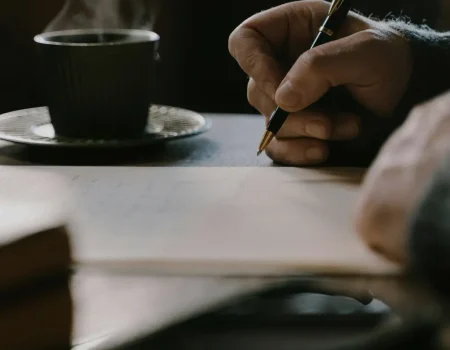
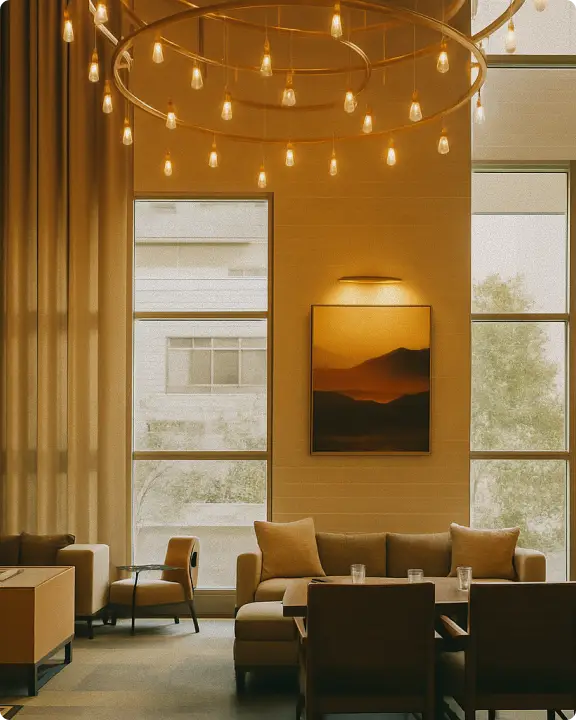
Japanese cafés where people write letters Some Japanese cafés are places for an activity that has become uncommon elsewhere: writing a letter. A real letter, on paper, with a pen. Everything helps you concentrate. Tables are well spaced, music is quiet and conversation is limited. Order a filter coffee or tea, sit down and let time become less important. Around you, some people write at length, others reread a page, and others pause for several minutes before picking up their pen again. There is no expectation to produce anything quickly. Cafés comfortable with silence In Tokyo, you tend to find these places in quieter districts such as Jimbocho, Yanaka or Kichijoji, where a café can be a personal retreat. Some make this atmosphere clear. Kayaba Coffee in Yanaka and cafés within Tsutaya bookshops welcome people who come to read, write or simply sit quietly. Other, less familiar cafés provide writing paper or postcards to complete there. Why write a letter in a café? It offers neutral ground, away from home and the office. Without the usual interruptions or pressure to be productive, you can give a thought time to take shape. Travellers are often struck by this relationship with time. In a country known for efficiency and precision, these cafés offer space to slow down without having to explain why. What these places reveal These cafés answer a real need for places where concentration, silence and a slower pace are welcome. Writing a letter is simply one way to spend your time, without needing to be nostalgic or unusual. For many travellers, such quiet scenes linger in the memory: a café, a letter and the sense that everyday life can be remarkably well considered.
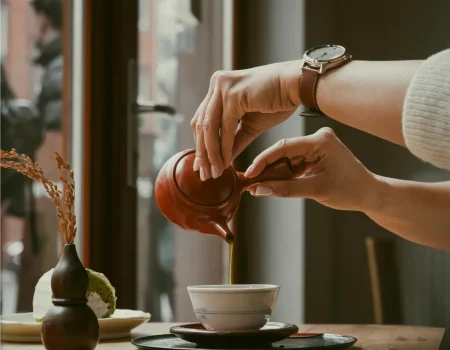
Tea in Japan: a moment to look before you drink Sometimes in Japan, tea is served without any expectation that you will drink it straight away. The cup arrives and is placed before you. Then comes a pause. You notice its colour and watch the steam for a few seconds. Nobody comments or invites you to taste. Drinking comes later. Time without a task In certain tea rooms, traditional houses and quiet cafés, tea is an experience in its own right, rather than simply something to accompany a conversation or fill a gap. You adjust the cup, perhaps shift slightly in your seat and watch the tea cool. It is not a formal ceremony, yet it feels more considered than an everyday gesture. Looking before acting For many travellers, this is surprising. Drinking is usually an automatic response; here, looking comes first. There is no hurry. This pause needs no explanation or performance. It is simply accepted. What the gesture reveals Pausing over tea is a possibility rather than a fixed rule or ritual. It allows a gesture to mean more than its immediate usefulness. In a country often seen as fast and highly organised, there are also places where taking your time needs no justification. Why travellers remember it Quiet moments can stay with us as clearly as spectacular ones. A cup of tea observed before drinking, with no instructions or explanation, often leaves a lasting impression.
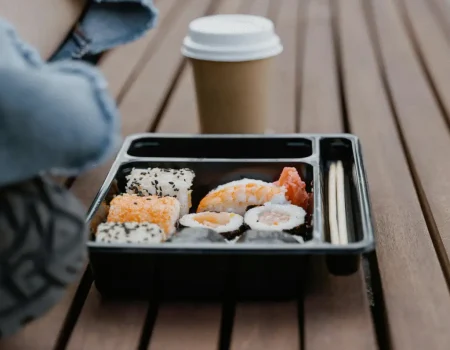
A bento shared in Japan: a quiet gesture Sometimes in Japan, a bento changes hands. The box is set down, then slid towards someone else. A simple gesture, without comment or display. It might happen at work, within a family or between people sitting side by side. The bento is simply passed along. Sharing without explanation A bento is a personal meal, but it can also be shared. When it is, there may be no description of the contents or insistent invitation. The gesture does not necessarily call for an immediate response. It fits into the moment and then passes. An understated exchange What often surprises travellers is the way sharing happens: without a speech or justification, and without turning it into an occasion. The meal continues. Everyone eats, and attention returns to what was already happening. A glimpse of everyday life Sharing a bento need not be presented as anything special. It remains part of daily life, a gesture that speaks for itself. Why it catches a traveller’s attention In many cultures, sharing food comes with words, stated intentions and sometimes gentle insistence. Here, it can happen without a word.
 Skip to content