Local perspectives on Japan
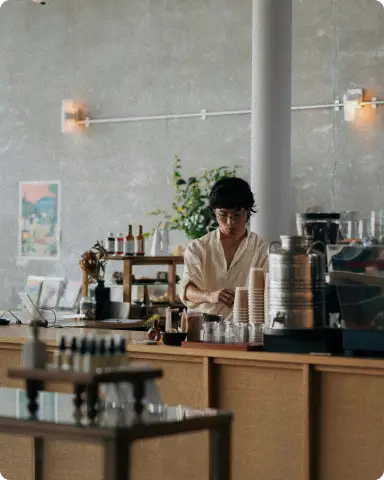
Some places in Japan do not catch the eye immediately. They exist primarily for the people who live nearby. Here are a few examples of understated local favourites, often found by chance or through a recommendation. Discreet bars and cafés in Tokyo Many Tokyo bars occupy upper floors or unmarked buildings. Ginza is a good example: behind anonymous façades are cocktail bars frequented largely by regulars, sometimes reached by a simple lift with no obvious street sign. In residential Yanaka or Kagurazaka, neighbourhood cafés may have no English menu and limited opening hours. Their customers are mainly neighbours, retirees and local workers, creating a very different atmosphere from more familiar cafés. Small neighbourhood restaurants Some excellent meals are found in places without websites, online reviews or translated menus. In Osaka, away from Dotonbori, small okonomiyaki restaurants and places serving home cooking cater almost entirely to regulars. The welcome may feel reserved at first, then warm once you have broken the ice. In Tokyo and Kyoto, some ramen and teishoku counters open only for lunch and close when the food runs out. This common approach helps explain why passing visitors may miss them. Public baths and everyday places Neighbourhood sentō are another example. Away from tourist areas, they serve residents who do not have baths at home or simply enjoy the routine. They are not designed around visitors. The atmosphere is local and the rules often implicit, offering a glimpse of everyday life rarely highlighted elsewhere. Why they remain little known These places are not deliberately hidden. Their limited hours, minimal publicity and loyal customers mean they sit outside conventional tourist routes. They follow a local rhythm. How to find them Step away from main streets, walk through residential areas and accept that you may not immediately understand everything. Notice where local people go and when places are busy. Leave room for chance. Above all, give yourself time, pay attention and stay curious.
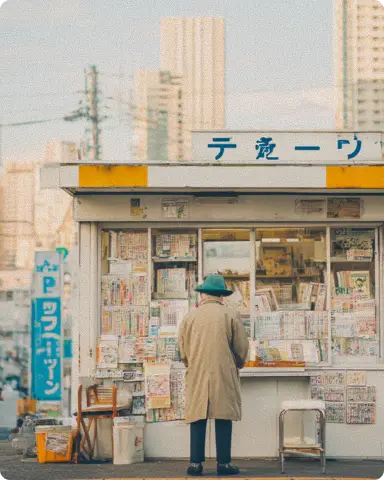
Everyday scenes: understanding Japan by observing Much of a journey’s insight comes from ordinary, quiet moments. They reveal how people share space and relate to one another without the need for a formal explanation. Quiet in public spaces On transport, in cafés and in waiting areas, quiet is shared rather than imposed. Conversations happen, but at a volume suited to the setting. This restraint reflects care for shared space and everyone’s comfort. Repeated gestures Cleaning a space before leaving, returning an object exactly where it belongs, tidying up: these small actions express a considered relationship with order, personal responsibility and the next person’s use of a place. Attention to others In queues, lifts and on platforms, people naturally adjust their position. Organisation is often understood rather than written down. These tiny adjustments help everyone move smoothly. Work in the background Cleaners, staff and delivery workers are a constant, discreet presence in shops, stations and streets. Their work keeps daily life running without drawing attention to itself. Habits around food Meals may be quick, but people often give them their attention rather than combining them with other tasks. Watching where, when and how people eat offers insight into time, concentration and respect for the present moment. Why these scenes matter They rarely appear in a programme, yet shape a journey profoundly. Observing them helps you adjust your behaviour, understand reactions and interact more thoughtfully. For an attentive traveller, repeated everyday moments can reveal as much as celebrated sights.
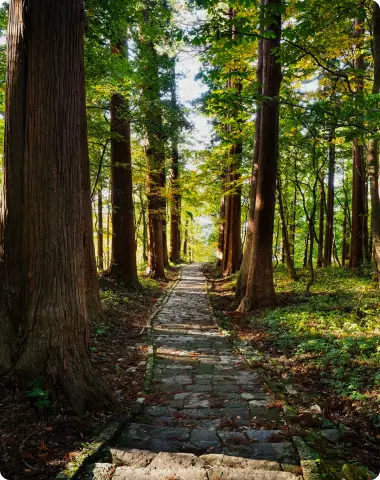
Unexpected discoveries beyond the planned route In Japan, a slight departure from your itinerary can change how you see a neighbourhood. A detour, a station chosen out of curiosity or a street followed without a particular aim can become a natural part of the journey. Everyday detours Take another street to avoid a crowd, walk a little further or cross a residential area. You may find a small shrine between buildings, a local park or a school emptying at the end of the day. These are ordinary places that tell you about local life. Being there at the right time Some markets, shops and places of worship open only briefly, perhaps in the morning or late afternoon. A local market lasting a few hours, a craft shop following its owner’s rhythm or a temple busy with daily visitors rewards good timing. Chance conversations A brief exchange in a shop, directions freely offered or an invitation to watch someone work can give a direct insight into local customs. The spaces in between Station corridors, covered passages, steps and side streets often reveal unexpected things: careful organisation, smooth movement and attention to shared use. Why these moments matter They sharpen your attention and let you adjust your pace, adding depth to planned visits without needing to change the whole itinerary. Occasionally stepping beyond the programme brings you to places and situations outside conventional routes and helps you understand Japan more closely.
 Skip to content